Why Your Indoor Cat Needs A Window Perch For Mental Stimulation
Author:Tooba
Released:January 7, 2026
Keeping a cat indoors keeps them safe from cars, predators, parasites, and other outdoor risks. But it also limits what they can see and experience, which can lead to stress, boredom, and unwanted behaviors like overgrooming or chewing. According to feline health guidelines, indoor cats need good environmental enrichment to stay mentally and physically well.
A window perch gives your cat a safe, elevated spot to do one thing cats naturally love-
watch the world move.
Visual Enrichment Isn't Just "Entertainment"
Cats are predators by instinct. Even if they don't hunt for food in your home, they still want to watch movement and assess their surroundings. Studies on environmental enrichment show that access to windows and stimulating views helps meet cats' natural visual needs.
From a perch your cat gets:
Sunlight and changing scenery - birds flying, leaves moving, people walking
Unpredictable motion that keeps their brain engaged (far better than static toys)
A spot to feel secure and in control of their space
This kind of sensory stimulation helps reduce stress and prevents boredom-related behaviors like scratching furniture, pacing, or excessive meowing.
High Places Matter Too
Cats feel safer and more confident when they can see from above. That's why vets and feline behaviorists recommend elevated platforms, shelves, and window seats - they allow cats to survey their territory and feel in control.
A well-placed window perch becomes more than a resting spot - it's daily mental engagement that keeps your cat happier and calmer indoors.
How Window Watching Reduces Stress In Indoor Cats
Indoor cats can get stressed without you even noticing. They might start hiding more, seem grumpy, or play less because they are bored and under-stimulated.
Giving a cat a window to watch out of can make a big difference. It brings movement, light, and a sense of rhythm into their day.
Supporting Emotional Regulation Through Routine
Cats like routines. Watching the outside world can become part of their daily rhythm.
A cat might:
Morning - watch birds and people
Midday - nap in the sun
Evening - check the outside again when things get busy
This kind of routine gives your cat something to do that doesn't depend on you. According to feline behavior recommendations, visual enrichment like window viewing helps keep indoor cats emotionally balanced.
Sunlight on a window perch also helps your cat relax. Warmth plus a view tends to create calm alertness instead of restless pacing or frustration.
Feeling Secure About Their Territory
Cats are territorial. Even indoor cats think of the area outside the window as part of their "world."
If a cat hears a weird noise but can't see what it is, they may get uneasy. A clear view helps them check things out visually and realize there is no real threat.
Being able to see first, then relax reduces anxiety and supports emotional stability for indoor cats.
Clearing Misconceptions About Window Watching
Some people worry that letting a cat watch outside might frustrate them since they can't reach the birds or squirrels they see. In reality, behaviors like chattering or flicking tails usually show high engagement, not stress. Watching outside often satisfies predatory instincts without causing aggression.
Another misconception is that any elevated surface works the same. Cat trees are useful, but they don't give the same mental challenge as a window perch. The unpredictable outdoor environment - moving leaves, people, and animals - is what keeps your cat mentally sharp and entertained over the long term.
Choosing The Right Window Perch For Your Home
Not every window perch works for every cat or household. The right perch depends on your cat's size, age, activity level, and the type of window you have. Modern window-mounted furniture comes in many shapes and styles to fit different spaces and needs.
Common Window Perch Styles
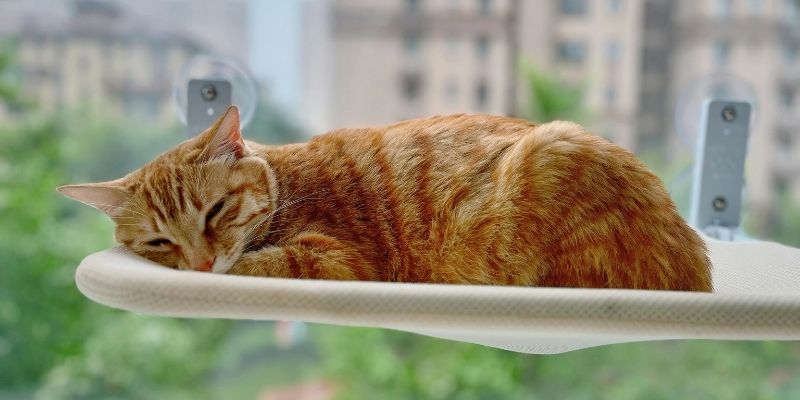
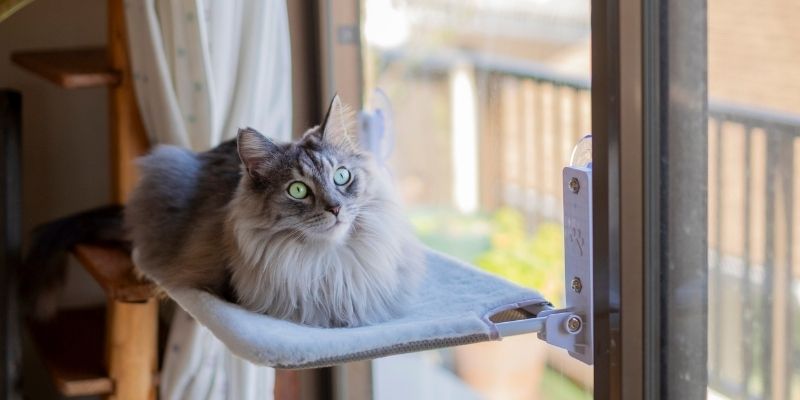
Suction-cup hammocks are among the most popular options because they require no drilling and take up minimal space. These models typically support moderate weight limits and work best for agile, average-sized cats. Weight support ranges for suction-cup hammocks are 8 to 15 pounds. Make sure your cat's weight is within the recommended limit.
Sill-mounted perches rest on the window ledge and use brackets or legs for support. They offer greater stability and are often preferred for larger cats or those that dislike movement underfoot. Usually support up to 20-25 pounds and are less affected by temperature or humidity than suction-based models.
Wall-mounted shelves positioned beside a window provide the highest weight capacity and long-term stability. While they require installation, they are often the safest choice for households with heavy or highly active cats. Make sure the wall and mounting hardware are strong enough to support your cat's weight. Avoid installing near air vents or direct drafts.
Matching The Perch To Your Cat's Needs
The perch should feel solid and secure. Surfaces that flex or wobble too much can discourage use.
The view is just as important as the perch itself. Cats love perches that look out over trees, yards, or areas with regular wildlife. A perch facing a blank wall won't hold their attention for long.
Consider adding a soft blanket or pad to increase comfort, especially if the perch is in direct sunlight. Small toys or cat grass nearby can also encourage use.
Age And Mobility Considerations
A cat's age and physical condition should guide both perch selection and placement. Access and safety are just as important as the perch itself.
For Kittens
Young cats are energetic and impulsive. They often leap onto perches with force and may use them as launch points during play.
Choose platforms with reinforced mounting, wide surfaces, and non-slip materials to prevent sliding or tipping during sudden bursts of activity.
For Senior Cats
Older cats may face joint stiffness, reduced balance, or vision changes. A perch for a senior cat should be easy to reach without jumping. Low platforms, cushioned or heated surfaces, and ramps or nearby furniture make it safer and more comfortable.
Make sure the approach is clear of obstacles and that all surfaces are stable and non-slip to reduce the risk of falls.
Safe Access and Placement
Adding a small step stool, gentle ramp, or nearby furniture can help both kittens and seniors reach the perch safely. Position the perch at a height that matches your cat's mobility and avoid placing it in areas with drafts, slippery floors, or obstacles.
A well-chosen and well-placed window perch isn't just a resting spot. It gives cats of all ages a safe, stimulating space to watch the world, stay mentally engaged, and relax. Paying attention to age, mobility, and access ensures your cat enjoys the perch confidently and reduces stress or injury.
Safety And Maintenance Requirements
While window perches are generally safe, they are not a permanent, maintenance-free fixture. Changes in temperature, humidity, and repeated impact from jumping can gradually weaken mounting systems. Without routine checks, even a well-installed perch may lose stability over time, increasing the risk of sudden failure.
Also inspect the perch surface for wear, cracks, or sagging over time, especially on platforms used by heavier cats.
Routine Inspection Of Mounting Systems
Suction-cup perches are particularly sensitive to environmental conditions. Dust, condensation, and natural oils on the glass can reduce suction strength, especially during seasonal temperature shifts. Remove the perch periodically to clean both the glass and the suction cups. This restores proper adhesion and lowers the chance of detachment.
For sill-mounted or wall-mounted perches, check brackets, screws, and fasteners regularly. Vibrations, repeated use, or jumping can loosen hardware over time. Tighten any loose parts and make sure the perch remains stable before letting your cat use it.
Regular maintenance not only keeps your cat safe but also ensures the perch stays comfortable and reliable. A little routine care can prevent accidents, prolong the life of the perch, and let your cat continue enjoying their favorite window spot with confidence.
Managing Fabrics And Materials
Perch surfaces collect hair, dander, and dirt quickly. Covers that are removable and machine washable make cleaning much easier and help prevent odors.
Breathable materials are important, especially for perches in direct sunlight. Heavy or dense fabrics can trap heat and make your cat uncomfortable. Avoid slippery surfaces or synthetic materials that get hot or retain moisture.
If you use padding, blankets, or cushions, check them often for wear or fraying. Clean them regularly to keep the perch hygienic and fresh. Consider having a spare cover or blanket on hand so you can swap it out without leaving the perch bare.
For added comfort, thin foam or memory foam pads work well under washable covers. They provide support without overheating. Make sure all fabrics are securely attached so your cat doesn’t slip or pull them off while jumping.
When A Window Perch Is Not Enough
Window perches are great for keeping indoor cats mentally stimulated, but they aren’t a cure-all. They won’t fix serious behavioral or medical issues. If your cat is persistently lethargic, hiding, or losing interest in food, these can be signs of an underlying health problem. A veterinary check-up is important to rule out illness.
In households with multiple cats, one perch may not be enough. Competition for a single window spot can cause tension, growling, or even fighting. Providing multiple perches at different heights allows each cat to have its own space and view. Wall-mounted shelves, sill perches, or even small ramps can create separate observation points without crowding.
You can also rotate access to preferred perches or add temporary platforms like boxes or low shelves near windows. This keeps cats engaged and reduces guarding behaviors.
Building A Better Indoor Environment
A window perch respects the instincts that remain deeply embedded in domestic cats. By offering a safe way to observe the outside world, it transforms a static indoor environment into a dynamic sensory experience.
With proper selection, placement, and maintenance, a window perch supports mental health across every life stage. Whether a kitten tracking shadows or a senior cat basking in sunlight, access to a well-placed window perch is one of the most effective ways to enhance the quality of life for an indoor cat.
Related Posts
How to Control Cat Litter Box Odor: 10 Simple Tips
How To Stop Cats Scratching Furniture Without Punishment

Flying With Pets: TSA Rules And Preparation Guide

Dog Training Classes for Public Outings: Obedience Basics
How To Build A Consistent Wellness Checkup Routine For Cats